
Sidewalks, Walkways & Flatwork
Create safe, attractive pathways that connect your property and enhance curb appeal.
Why Quality Walkways and Flatwork Matter
Your walkways are the first thing visitors see when they arrive at your home. They guide people from the driveway to your front door, from the back door to the patio, or through your garden. Beyond aesthetics, walkways serve an important safety function. Uneven ground, muddy paths, or makeshift stepping stones create trip hazards. Professional concrete walkways give you a safe, clean path that looks great and requires almost no maintenance.
When you work with experienced concrete contractors in Riverview, FL, you get walkways that handle our Florida weather without cracking, settling, or becoming slippery. We design pathways that direct water away so you don't have puddles after rain. We make sure the slope is comfortable to walk on but adequate for drainage. And we use finishes that provide good traction even when wet.
Benefits of Concrete Walkways
- •Improved safety: Even, slip-resistant surfaces eliminate trip hazards
- •Enhanced curb appeal: Well-designed walkways make your property look finished and professional
- •Better drainage: Properly installed walkways direct water away from your home
- •Low maintenance: Sweep occasionally and you're done, no weeding or repairs
- •Increased property value: Quality hardscaping makes your home more attractive to buyers
- •Versatile design options: Choose from many colors, textures, and patterns
- •Long-lasting durability: Concrete walkways easily last 25-30 years or more
Types of Concrete Walkways and Flatwork
Flatwork is the term we use for any concrete surface that's flat and horizontal, as opposed to vertical walls or steps. This includes walkways, sidewalks, paths, and various other applications. Here are the most common types we install.
Front Entry Walkways
Your front walkway creates the first impression of your home. It should be wide enough for two people to walk side by side comfortably, typically 4-5 feet wide. The path should follow a logical route from the driveway or street to your front door. We can create straight, curved, or angled walkways depending on your landscape and architectural style. Many homeowners choose decorative stamped or stained concrete for front walkways to make them stand out. Borders in contrasting colors or patterns add visual interest.
Garden Paths and Stepping Stones
Garden paths can be narrower, typically 2-3 feet wide, since they're for single-file walking. These paths wind through landscaping and connect different areas of your yard. You might have paths leading to a garden shed, compost area, or side yard. Stepping stone walkways offer a more casual look with individual concrete pads spaced for walking. We can pour custom stepping stones in various shapes and finishes. They work beautifully through grass, groundcover, or mulch beds.
Backyard Walkways
Backyard walkways connect your home to your patio, pool, outdoor kitchen, or other features. These walkways see heavy use and need to be durable. They should be at least 3-4 feet wide and have good drainage since they're often in areas where water collects. Textured finishes provide slip resistance around pool areas. We can integrate walkways with your existing hardscaping to create a cohesive outdoor living space.
Public Sidewalks
If you're responsible for the sidewalk in front of your property, we can install or replace it according to local codes and ADA requirements. Public sidewalks have specific width, slope, and surface requirements. They need to be smooth enough for wheelchairs and strollers but textured enough for traction. We make sure sidewalks meet all regulations while still looking good and lasting for decades.
Other Flatwork Applications
Beyond walkways, we install various other flatwork including: concrete steps and landings at entryways; equipment pads for AC units, generators, or hot tubs; dog runs and pet areas with easy-clean surfaces; courtyard paving for enclosed outdoor spaces; shed and storage building floors; basketball court and play area surfacing. Each application has specific requirements for thickness, reinforcement, and finish, but all benefit from proper installation.
Design Considerations for Your Walkways
Good walkway design balances function and aesthetics. Here's what we consider when planning your project.
Path routing is the first decision. The walkway should follow the natural path people want to take. Forcing an awkward route just creates desire paths through your grass where people cut across. We look at traffic patterns and design paths that make sense. Width matters too. Main walkways should be wide enough for comfortable two-person walking. Narrow paths work for less-used areas but feel cramped if they're your primary routes.
Slope and drainage are critical. Walkways need enough slope to drain water but not so much that they feel steep. Generally, a 1-2% slope (about 1/4 inch per foot) provides good drainage without being noticeable when walking. We make sure walkways slope away from your home's foundation. In areas where water crosses the walkway, we may need to install drainage solutions.
Finish selection impacts both looks and safety. Broom finishes provide excellent traction and work with any style. Smooth trowel finishes look sleek and modern but can be slippery when wet. Exposed aggregate creates a textured surface with visual interest and good slip resistance. Stamped concrete lets you create patterns that coordinate with your home or other hardscaping. Color can be integral throughout the concrete or applied as stain after installation.
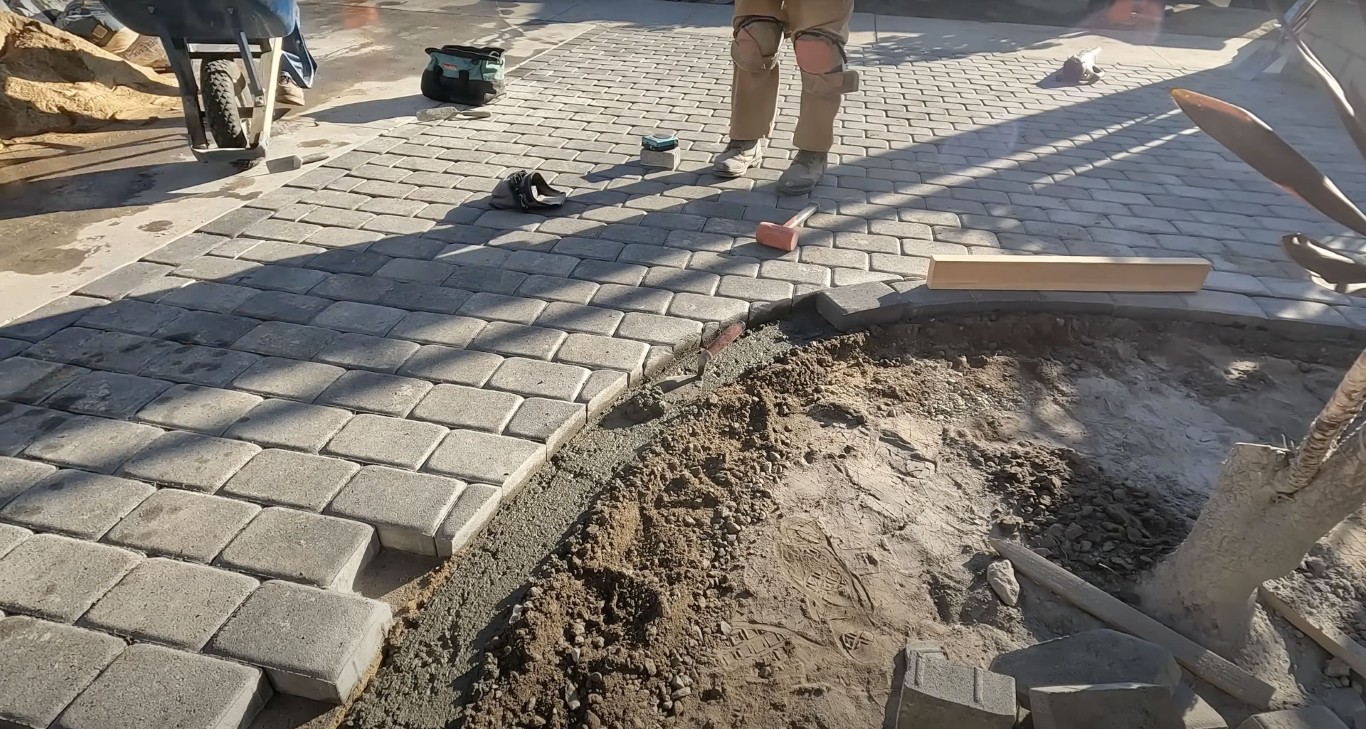
Borders and edging define your walkways and make them look intentional. We can use different colored concrete, a different finish texture, or saw-cut lines to create borders. Landscape edging keeps grass and plants from encroaching on the concrete. Some homeowners like contrasting borders in a different material like brick or stone pavers for a custom look.
Installation Best Practices
- •Excavate to proper depth and remove all organic material
- •Install and compact crushed stone base for stability
- •Use wire mesh reinforcement to prevent cracking
- •Pour concrete at proper thickness, typically 4 inches for walkways
- •Install control joints every 4-5 feet to manage natural cracking
- •Apply appropriate finish for traction and appearance
- •Protect and cure concrete properly before allowing foot traffic
Maintaining Your Concrete Walkways
Concrete walkways need very little maintenance, but a few simple steps keep them looking their best for years.
Regular cleaning is the most important maintenance task. Sweep your walkways regularly to remove dirt, leaves, and debris. This prevents buildup that can stain the concrete or scratch the sealer. Once or twice a year, pressure wash the walkways to remove ground-in dirt and any mildew growth. Use a mild detergent if needed for stubborn stains.
Sealing concrete walkways protects them from moisture, stains, and wear. We recommend sealing every 2-3 years. The sealer wears away over time from foot traffic and weather exposure. Resealing is quick and inexpensive compared to repairs. It also keeps your walkways looking fresh and makes them easier to clean.
Address small problems early before they become big problems. If you notice a minor crack developing, seal it to prevent water infiltration. If a section starts to settle slightly, we can often raise it with slab jacking before it becomes a major trip hazard. Keeping vegetation trimmed back from walkways prevents roots from growing underneath and causing lifting. If you need professional concrete repairs, we're here to help.
Walkway and Flatwork Questions
Ready to install beautiful, durable walkways on your property?
(813) 692-4887