Concrete Slab & Foundation Work
Building strong foundations that support your home or structure for generations to come.
Why Your Foundation Matters More Than You Think
Your home's foundation is literally what everything else stands on. When it's done right, you'll never think about it. When it's done wrong, you'll deal with problems for years. Cracks in walls, doors that won't close properly, and uneven floors all trace back to foundation issues. That's why getting it right from the start is so important.
In Riverview, FL, we deal with unique soil conditions and a high water table that make proper foundation work even more critical. The sandy soil common in our area can shift and settle if not properly prepared. Heavy rains can cause erosion underneath poorly installed slabs. We've seen what happens when contractors rush through the prep work or skip important steps. That's exactly what we won't do for your project.
Whether you're building a new home, adding a garage, or constructing a shed or workshop, professional concrete contractors in Riverview will make sure your foundation is built to last. We follow Florida building codes and use proven methods that account for our local climate and soil conditions.
What Makes a Quality Foundation
- •Proper site evaluation: Understanding soil composition and drainage before any digging begins
- •Adequate excavation: Removing unsuitable soil and reaching stable ground
- •Compacted base material: Creating a solid, stable foundation base that won't settle
- •Proper reinforcement: Using rebar and wire mesh in the right configuration
- •Correct slab thickness: Using the appropriate depth for the structure's weight and use
- •Quality concrete mix: Using the right PSI rating and additives for local conditions
- •Moisture barriers: Installing vapor barriers to prevent ground moisture from coming up
Different Types of Concrete Foundations We Install
Not all foundations are the same. The type you need depends on what you're building, local codes, and site conditions. Here's a breakdown of the most common foundation types we install in Riverview.
Slab-on-Grade Foundations
This is the most common foundation type in Florida and what most homes in our area are built on. A slab-on-grade foundation is a single layer of concrete poured directly on prepared ground. The edges are thicker to provide extra support for the walls. We install rebar or wire mesh throughout for reinforcement. The slab includes utility trenches for plumbing and electrical lines before we pour. This type works well in Florida because we don't need deep foundations to get below the frost line like northern states do. It's cost-effective, quick to install, and performs excellently in our climate.
Monolithic Slab Foundations
A monolithic slab means we pour the entire foundation in one single pour. The slab and the thickened edges that support the walls are all done at once. This creates a very strong, unified foundation with fewer joints where problems could develop. Monolithic slabs work great for garages, sheds, and smaller structures. They're faster to install than traditional foundations because we complete everything in one day of pouring. The main advantage is strength through unity. There are no seams between the footer and the slab where cracks could form.
Stem Wall Foundations
Sometimes called a footer and stem wall foundation, this type uses a footer below ground level with a short wall that rises above grade before the slab is poured. We use this method when you need extra height, better drainage, or when building on a slope. The stem wall creates a perimeter foundation that elevates the structure above ground level. This helps with moisture control and gives you better access to plumbing if you ever need repairs. It costs more than a simple slab but offers advantages in certain situations.
Post-Tension Slab Foundations
For larger structures or challenging soil conditions, post-tension slabs provide extra strength and resistance to cracking. We install steel cables through the concrete before pouring. After the concrete sets, we tension these cables to put the slab under compression. This technique reduces cracking and allows for thinner slabs that still maintain strength. Post-tension foundations are common in commercial concrete construction but are also used for large custom homes.
Our Foundation Installation Process
Building a foundation requires precision and attention to detail at every step. Here's how we make sure your foundation is done right.
We start with a thorough site survey and soil analysis. This tells us what we're working with and helps us plan the best approach. Next comes excavation. We dig to the depth specified in your building plans and remove any organic material or unsuitable soil. The excavation must be level and properly sized. Then we bring in base material, usually crushed stone or gravel, and compact it in layers. Proper compaction is critical. Each layer gets compacted with heavy equipment until it's solid and stable.
Once the base is ready, we build the forms that will shape your foundation. Forms must be level, square, and securely braced. We double-check all measurements because there's no easy fix once concrete is poured. We install plumbing lines and any other utilities that need to run under the slab. Then comes the reinforcement. We place rebar or wire mesh according to engineering specifications. We also install a vapor barrier, usually 6-mil polyethylene plastic, to prevent ground moisture from coming up through the slab.
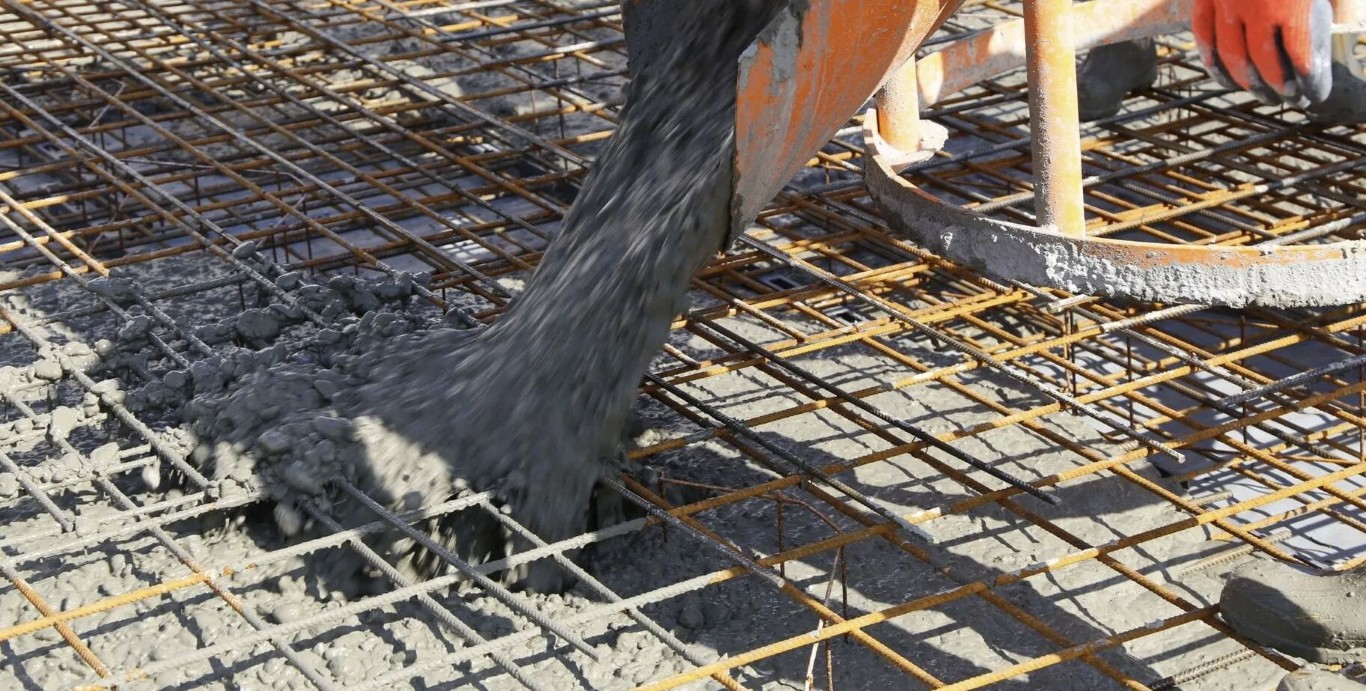
Pour day is when everything comes together. We use ready-mix concrete delivered in trucks. The concrete goes in quickly and our crew spreads it evenly, making sure it fills all areas and surrounds the rebar completely. We use vibrators to remove air pockets and ensure the concrete settles properly. The surface gets screeded level, then floated smooth. For garage floor concrete and other areas that will be visible, we apply the appropriate finish texture.
Curing is the final critical step. Concrete gains strength as it cures over about 28 days. We protect the fresh concrete from drying too fast, which can cause surface cracks. We may cover it with plastic or apply curing compound. We monitor weather conditions and adjust our approach as needed. Your foundation needs time to reach full strength before construction continues above it. Rushing this process is one of the biggest mistakes contractors make. We never rush the cure.
Other Concrete Slab Applications
Beyond home foundations, we install concrete slabs for many other purposes. Concrete driveways use similar techniques but with different thickness and reinforcement requirements. Garage floor concrete, workshop floors, and storage building foundations all require the same attention to proper base preparation and reinforcement. We also pour slabs for equipment pads, pool decks, and outdoor storage areas.
Each application has specific requirements. A garage floor needs a smooth finish and proper slope for drainage. An equipment pad must be thick enough to support heavy machinery. Pool decks require special considerations for drainage and slip resistance. We adjust our methods based on how you'll use the space and what loads it needs to support.