Retaining Walls & Concrete Masonry
Build strong, attractive walls that control erosion, create usable space, and add structure to your property.
Why Retaining Walls Matter for Your Property
If you have a sloped yard, erosion problems, or want to create level areas on uneven ground, retaining walls provide the solution. These structures hold back soil and create terraces, raised beds, or level spaces where none existed before. Beyond function, well-designed retaining walls add visual interest and structure to your landscape.
In Riverview, FL, heavy rains can cause serious erosion issues. Soil washes away, leaving unsightly gullies and undermining landscaping or even foundations. Retaining walls stop this process by holding soil in place and controlling water flow. When you work with experienced concrete contractors in Riverview, you get walls designed to handle local soil conditions and weather patterns.
Benefits of Retaining Walls and Masonry
- •Erosion control: Hold soil in place and prevent washouts during heavy rain
- •Create usable space: Turn sloped yards into level areas for patios, gardens, or lawns
- •Improve drainage: Direct water away from your home and prevent flooding
- •Add property value: Functional landscaping and erosion control increase home value
- •Define spaces: Create borders between different areas of your yard
- •Enhance aesthetics: Add visual interest with terracing and architectural elements
- •Long-lasting durability: Properly built walls last 50 years or more
Types of Retaining Walls We Build
Different situations call for different wall types. We help you choose the best option based on the height needed, soil conditions, drainage requirements, and your aesthetic preferences.
Poured Concrete Retaining Walls
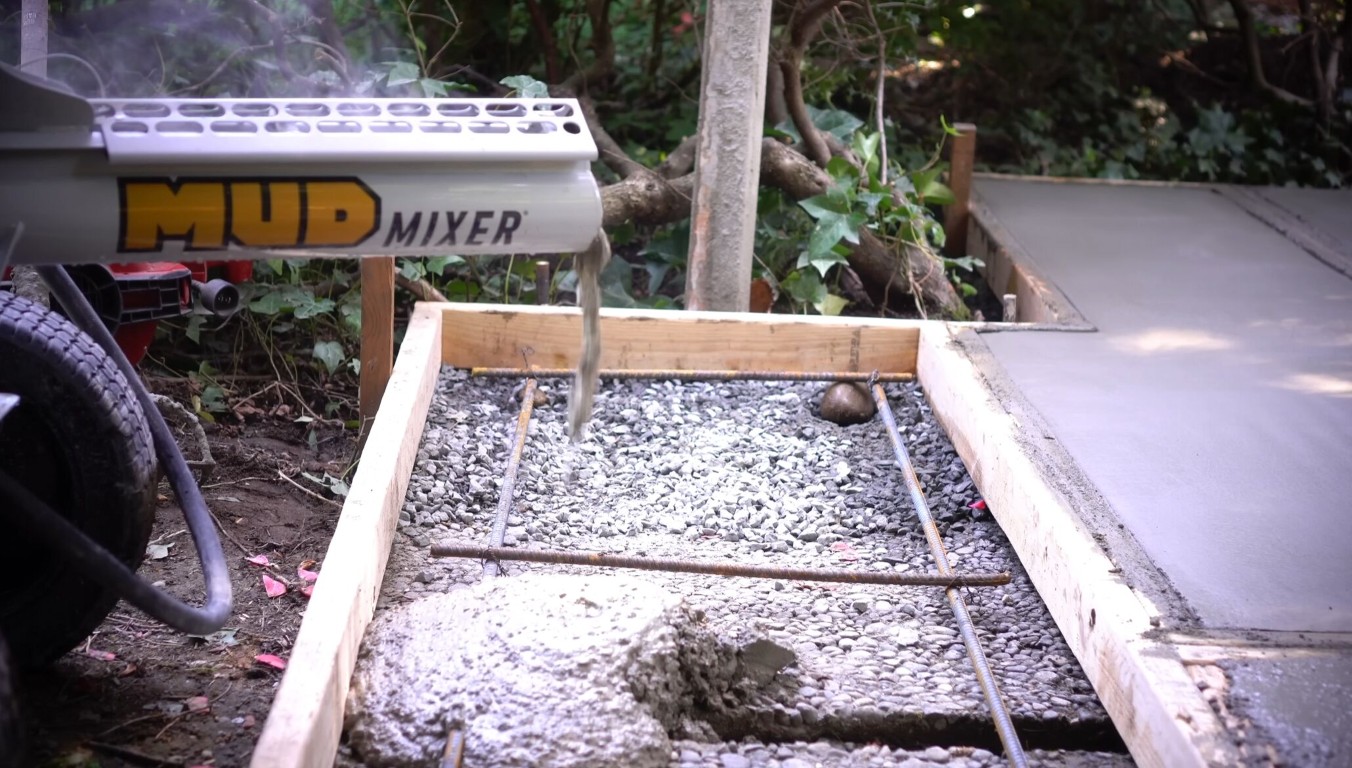
Poured concrete walls are the strongest option for retaining walls over 4 feet tall or walls that need to hold back significant amounts of soil. We build forms, install rebar reinforcement, and pour concrete to create a solid, monolithic wall. These walls can be left with a smooth concrete finish or covered with stucco, stone veneer, or other facing materials. Poured concrete walls work well for steep slopes, heavy soil loads, or where maximum strength is required. They also allow for complex shapes and curves that other wall types can't easily achieve.
Concrete Block (CMU) Walls
Concrete masonry unit walls use concrete blocks stacked and mortared together. Steel reinforcing bars run through the hollow cores of the blocks, which are then filled with concrete. This creates a strong, durable wall that's faster to build than poured concrete. CMU walls can be painted, stuccoed, or faced with stone or brick veneer for an attractive finish. They work well for most residential applications and are cost-effective for walls up to 6-8 feet tall.
Segmental Retaining Walls
Segmental walls use interlocking concrete blocks specifically designed for retaining wall construction. These blocks stack without mortar and rely on their weight and design for stability. Segmental walls work well for shorter walls (typically under 4 feet) and offer attractive textured finishes in various colors. They're quicker to install than poured walls and don't require forms or extensive curing time. However, they're not suitable for very tall walls or areas with poor soil conditions.
Cantilever and Gravity Walls
For engineering-focused applications, we build cantilever walls that use a reinforced concrete footing and stem to resist soil pressure. The weight of the soil on the footing helps hold the wall in place. Gravity walls rely on their mass to resist the pressure of retained soil. These engineering principles guide our wall design to ensure stability and safety. For walls over 4 feet tall, we typically work with structural engineers to develop proper plans.
How We Build Retaining Walls That Last
Building a retaining wall correctly requires understanding soil mechanics, drainage, and structural principles. Here's our process for creating walls that perform reliably for decades.
Site Evaluation and Design
We start by evaluating your site conditions. What type of soil are we dealing with? How much of a slope do we need to retain? Where does water flow during heavy rain? Are there any utility lines we need to avoid? This information guides our wall design. For taller walls or challenging conditions, we work with engineers to develop proper structural plans. The design includes wall height, thickness, reinforcement details, and most importantly, drainage provisions.
Excavation and Foundation
A retaining wall is only as good as its foundation. We excavate below the frost line (even though Florida rarely freezes, building codes often require this) and into stable soil. We create a level, compacted base using crushed stone. For taller walls, we pour a concrete footing that extends below and behind the wall face. This footing provides the foundation that keeps the wall from sliding or tipping. Proper base preparation is critical and something we never cut corners on.
Drainage Systems
Water is the enemy of retaining walls. If water builds up behind the wall, it creates tremendous pressure that can cause failure. We install drainage systems to prevent this. This typically includes perforated drain pipes at the base of the wall, gravel backfill for water to drain through, and weep holes that let water escape. For larger walls, we may also install filter fabric to prevent soil from clogging the drainage system. Proper drainage is non-negotiable and is built into every retaining wall we construct.
Wall Construction
The actual wall construction method depends on which type of wall you're getting. For poured concrete walls, we build forms, install rebar reinforcement in a grid pattern, and pour concrete in lifts. For CMU walls, we stack blocks with mortar, install rebar vertically, and fill the cores with concrete. All walls get proper reinforcement based on the height and load. We make sure the wall is level, plumb, and built to specifications. As we build up, we also install the drainage components.
Backfilling and Finishing
After the wall structure is complete and concrete has cured, we backfill behind the wall. We use free-draining gravel against the wall, then transition to soil farther back. Backfill gets compacted in layers to prevent settling. The top of the wall might get a cap for a finished look. For exposed concrete walls, we can apply stucco, paint, or facing materials. We also make sure the area around the wall is graded properly to direct surface water away from the wall.
Other Concrete Masonry Services
Beyond retaining walls, we provide various concrete masonry services for residential and commercial properties.
Garden walls and planters add structure and define spaces in your landscape. These shorter walls (typically 2-3 feet tall) create raised planting beds, border seating areas, or separate different zones in your yard. We build them using concrete block or poured concrete and can incorporate decorative finishes, cap stones, or integrated lighting.
Privacy walls and boundary walls define property lines and create screening from neighbors or streets. These taller walls require proper engineering and often need to meet local height restrictions and setback requirements. We handle all permits and build walls that meet codes while giving you the privacy you want. Decorative concrete walls can serve as both functional boundaries and attractive architectural features for your property.
Outdoor kitchens and fire pits often incorporate masonry elements. We build concrete block structures for outdoor kitchen islands, pizza ovens, and fire pit surrounds. These structures can be finished with stucco, stone veneer, or tile to match your outdoor living space. We make sure all masonry work is structurally sound and built to handle the intended use, whether that's supporting countertops or containing fire.
If you're looking to create a complete outdoor living space, we often combine masonry walls with concrete patios, walkways, and other features. This integrated approach ensures everything works together structurally and aesthetically to create a cohesive outdoor environment.
Retaining Wall Questions Answered
Need a retaining wall or masonry work for your property?
(813) 692-4887