Concrete Repair & Replacement
Fix damaged concrete or replace it entirely to restore safety, function, and curb appeal.
Should You Repair or Replace Your Concrete?
Nobody wants to deal with cracked, sunken, or deteriorating concrete. It looks bad, creates trip hazards, and only gets worse over time. The big question is whether you can fix it or need to start over. The answer depends on how extensive the damage is and what caused it in the first place.
As professional concrete contractors serving Riverview, FL, we evaluate your concrete honestly and tell you the most cost-effective solution. Sometimes repair makes sense. Other times, replacement is actually the smarter choice in the long run. A qualified concrete contractor will always give you a straight answer on which option saves you more money over time.
Signs Your Concrete Can Be Repaired
- •Minor surface cracks less than 1/4 inch wide
- •Small areas of spalling or surface damage affecting less than 30% of the surface
- •Minor settling where one section is slightly lower but the base is still solid
- •Surface staining or discoloration that affects appearance but not structure
- •Isolated problem areas where the rest of the concrete is in good condition
Signs You Need Concrete Replacement
- •Large cracks wider than 1/4 inch or cracks that go all the way through
- •Severe settling or sinking that creates significant height differences
- •Widespread surface deterioration covering more than 30% of the area
- •Water pooling that indicates drainage problems or improper slope
- •Concrete that's too thin or wasn't properly reinforced when originally installed
- •Root damage from nearby trees causing lifting or multiple cracks
- •Old concrete showing its age with multiple issues throughout
Professional Concrete Repair Methods
We use different repair techniques depending on what type of damage you have and what caused it. Here are the most common repair methods we use.
Crack Filling and Sealing
For minor cracks that aren't structural, we clean out the crack thoroughly and fill it with appropriate repair material. Narrow cracks get filled with specialized concrete crack filler or epoxy that bonds to the existing concrete. We make sure the filler penetrates deep into the crack, not just sits on the surface. After filling, we seal over the repair to protect it from moisture and prevent the crack from spreading. This method works well for cosmetic cracks that aren't getting wider.
Concrete Resurfacing
When your concrete is structurally sound but the surface is damaged, spalling, or just ugly, resurfacing gives you a like-new appearance without the cost of replacement. We apply a thin overlay of special concrete mix over the existing surface. This overlay bonds to the old concrete and creates a fresh, smooth surface. We can add texture, color, or patterns during resurfacing to completely transform the look. Resurfacing works great for worn driveways, garage floors, and patios with surface damage.
Slab Jacking and Mudjacking
When concrete settles or sinks, slab jacking can often raise it back to the correct level without replacement. We drill small holes through the sunken slab and pump a special mixture underneath. This mixture fills voids under the concrete and lifts it back up. Once the slab reaches the right height, the mixture hardens and provides support. We then patch the holes and seal them. This method costs much less than replacement and can be done in a day. It works well when the concrete itself is fine but the soil underneath has settled or washed away.
Partial Slab Replacement
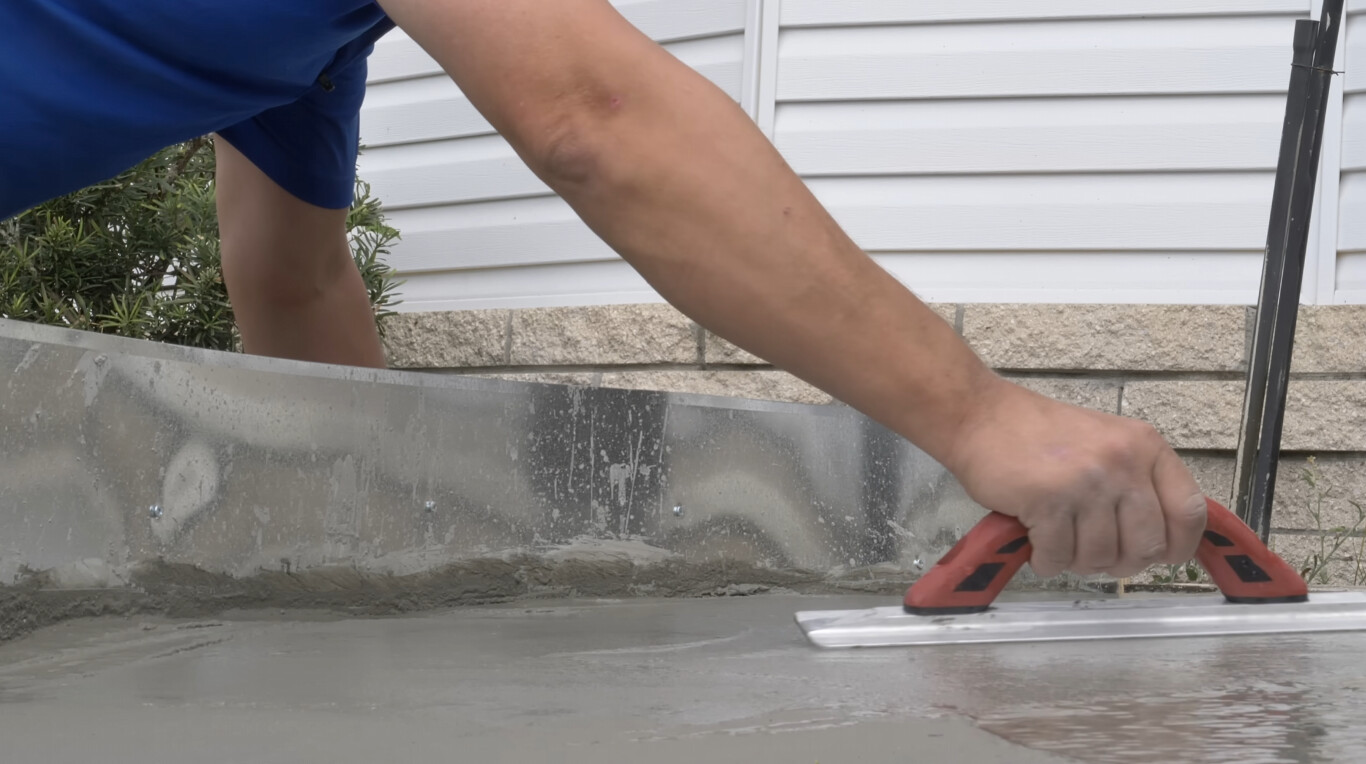
Sometimes just one section of your concrete is badly damaged while the rest is fine. In these cases, we can remove and replace just the damaged section. We saw cut around the problem area, remove the bad concrete, prepare the base properly, and pour new concrete to match the existing surface. This approach saves money compared to replacing everything and extends the life of your concrete. We make sure the new section ties properly into the old concrete and matches in color and texture.
Complete Concrete Replacement
When repair isn't the right answer, complete replacement gives you a fresh start. We remove all the old concrete, address any underlying problems, and install new concrete that will last for decades.
The first step is demolition and removal. We break up the old concrete and haul it away. This also gives us a chance to inspect what's underneath. Often we discover the original problem, whether it's poor base preparation, inadequate drainage, or tree roots. We fix these issues before installing new concrete. We might need to remove unstable soil, improve drainage, redirect water flow, or install root barriers.
Next comes proper base preparation. We excavate to the correct depth, bring in quality base material, and compact it thoroughly. This step is critical because most concrete problems start with a poor base. We make sure drainage is correct so water flows away from the concrete. Then we form, reinforce, pour, and finish your new concrete using the same professional methods we use for all our installations. You end up with concrete that looks great and will last decades longer than what you had before.
Replacement is also your opportunity to upgrade. Maybe you want a larger patio or decorative stamped concrete instead of plain concrete. Since we're starting fresh, you can customize the size, shape, color, and finish to create exactly what you want.
What Causes Concrete Damage?
Understanding why concrete fails helps prevent problems with your new or repaired concrete. Here are the most common causes we see in Riverview.
Poor drainage is probably the number one killer of concrete. When water sits on or under concrete, it slowly undermines the base, causes settling, and can freeze (yes, even in Florida during rare cold snaps) and cause cracking. Water also accelerates surface deterioration. Making sure water drains away from your concrete is essential.
Inadequate base preparation causes many problems down the road. If the soil isn't properly compacted or the base material is too thin, the concrete will settle unevenly. This creates cracks and height differences. Tree roots are another major culprit. Roots grow under concrete and lift it up, causing cracks and uneven surfaces. Large trees near concrete are a recipe for problems eventually.
Poor quality concrete or improper installation practices cause premature failure. This includes things like too much water in the mix, inadequate curing, no reinforcement, or concrete that's too thin for the loads it needs to support. Florida's weather also takes a toll over time. Constant sun exposure, heat, humidity, and occasional heavy rains all contribute to wear. But properly installed concrete handles these conditions without major problems.